
Repairs vs Capital Improvements NZ — What Landlords Can and Can't Claim
deductible
not deductible
IRD audits
One of the most common mistakes NZ landlords make on their tax returns is getting repairs and maintenance mixed up with capital improvements. Get it wrong and you're either over-claiming — which IRD will pick up on audit — or under-claiming and paying more tax than you need to. This guide explains the difference with real examples, so you know exactly what you can and can't claim. You can also check the official IRD rental expense deductions page for the technical rules, or talk to our rental property tax team if you want someone to sort it for you.
The Basic Rule

Here's the simplest way to think about it. Imagine your rental property is a car. If you fix a flat tyre - that is a repair. It's putting the car back to how it was. But if you fit a brand new engine that is bigger and better than the original — that's an improvement. You're making the car worth more than it was before.
IRD uses the same reasoning for rental property deductions in New Zealand. If the work brings the property back to its original state, it's a repair and you can fully deduct it as a rental expense. You can't claim a capital improvement as an expense in the year you pay for it if the work makes the property better or adds something new.
The official IRD definition is clear: repairs and maintenance bring a property back to its original state. Capital expenditures improve or add to the property beyond what it was like when you bought it. This difference is what decides if you can deduct the cost from your rental income.
What's Deductible and What's Not
Here's a side by side breakdown of what counts as a repair versus a capital improvement for your rental property tax return NZ:
✅ Repairs & Maintenance — Deductible
- Fixing a leaking roof
- Repainting worn walls
- Replacing broken windows
- Fixing a burst pipe
- Repairing a broken fence
- Replacing worn carpet with similar carpet
- Fixing a broken oven or appliance
- Patching concrete driveway cracks
- Replacing rotted weatherboards
- Fixing electrical faults
- Mowing lawns and garden maintenance
- Unclogging drains and gutters
❌ Capital Improvements — Not Deductible
- Adding a new room or extension
- Building a new deck or patio
- Full kitchen renovation
- Full bathroom renovation
- Installing a new heat pump (first time)
- Putting in a new driveway
- Adding a garage where there wasn't one
- Installing double glazing (in some cases)
- Landscaping improvements
- Converting a room for a different purpose
- Adding insulation to a previously uninsulated property
- Building a sleep-out or minor dwelling
The Full Comparison Table — Real Examples
This table covers the most common situations we see in NZ rental property tax returns. Use it as a quick reference when you're not sure which category something falls into:
| Work Done | Type | Deductible? |
|---|---|---|
| Fixing a leaking roof | Repair | ✓ Yes |
| Replacing the entire roof structure | Capital | ✗ No |
| Repainting inside and outside | Repair | ✓ Yes |
| Replacing worn carpet with similar carpet | Repair | ✓ Yes |
| Upgrading carpet to polished timber floors | Capital | ✗ No |
| Fixing a broken window | Repair | ✓ Yes |
| Replacing all windows with double glazing | Grey area | ⚠️ Depends |
| Repairing a damaged fence | Repair | ✓ Yes |
| Building a brand new fence where there wasn't one | Capital | ✗ No |
| Replacing a broken oven with a similar model | Repair | ✓ Yes |
| Adding a brand new heat pump (first time) | Capital | ✗ No |
| Replacing existing heat pump that broke | Repair | ✓ Yes |
| Building a new deck | Capital | ✗ No |
| Repairing an existing deck | Repair | ✓ Yes |
| Full kitchen renovation | Capital | ✗ No |
| Fixing broken kitchen cupboard doors | Repair | ✓ Yes |
| Adding insulation to uninsulated ceiling | Capital | ✗ No |
| Replacing damaged insulation | Repair | ✓ Yes |
The Grey Areas — Where Landlords Get Caught
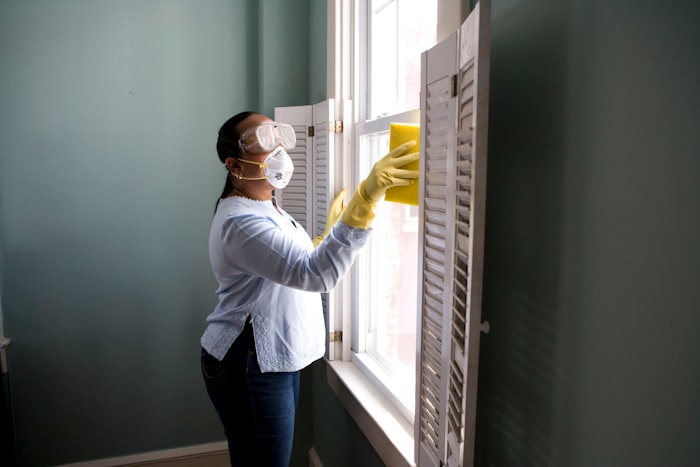
The black and white cases are easy. The tricky ones are in the middle — situations where it genuinely isn't obvious whether something is a repair or a capital improvement NZ tax. These are exactly the areas IRD auditors focus on when reviewing rental returns.
Here are the four most common grey areas we deal with in client returns every year:
Replacing Windows
Replacing rotted wooden joinery with modern aluminium double glazing is often treated as a deductible repair because you're replacing like with like using modern materials — as long as you're not replacing the entire character of the building. IRD's position is that using modern materials alone doesn't make it capital.
Newly Bought Property
If you buy a rental and immediately do repairs, IRD may treat those as capital expenditure even if they look like repairs. The reason is IRD assumes the price you paid already reflected the property's condition. Repairs done right after purchase are considered "initial repairs" and are often treated as capital.
Extensive Remedial Work
If a repair job is so big that it basically rebuilds major parts of the property, like fixing a leaky building, IRD will probably consider it capital. A court case in 2024 (Lawrence v. Commissioner) ruled that a full remediation that included the roof, walls, framing, and flooring was capital because it made a big difference to the property.
Mixed Repair and Improvement
Sometimes a job means fixing things and making them better at the same time. For instance, fixing a leaking bathroom (repair) and putting in new tiles (improvement) at the same time. In this case, you can usually only get the repair part, not the improvement part. But you need to get separate quotes or split the bill the right way.
Real NZ Examples — What Would IRD Say?
Here's how the deductibility rules for rental property NZ play out in real life situations. These are based on actual scenarios we see from landlords across New Zealand:
🏠 Real Scenario Examples — Deductible or Capital?
Scenario 1 — Sarah's Leaking Roof
Sarah's rental in Hamilton has a section of roof that's leaking. She gets it fixed for $3,800 — the roofer patches the damaged area and replaces a few tiles.
✓ Deductible Repair — restores property to original stateScenario 2 — Mark's Full Roof Replacement
Mark's Wellington rental has an aging roof. He decides to replace the entire roof with a new Colorsteel roof for $28,000. The old roof wasn't actually leaking yet.
✗ Capital Improvement — whole asset replaced, not repairedScenario 3 — Priya's Carpet
Priya's tenants move out and the carpet is badly stained and worn. She replaces it with similar quality carpet throughout for $4,200.
✓ Deductible Repair — replacing like for like, restoring original conditionScenario 4 — James's Kitchen
James buys a rental property in Christchurch. The kitchen is old but functional. He spends $22,000 putting in a brand new modern kitchen with stone benchtops and new appliances.
✗ Capital Improvement — making the property better than it was, not restoring itScenario 5 — Linda's Windows
Linda's Auckland rental has 1970s wooden window joinery that's started to rot. She replaces all windows with modern aluminium double glazing for $18,000.
⚠️ Grey Area — likely deductible as modern equivalent replacement, but get adviceScenario 6 — Tom's Newly Bought Rental
Tom buys a rental property in Tauranga in July. In August he spends $8,000 fixing issues that were there when he bought it — leaks, damaged flooring, broken gutters.
✗ Likely Capital — initial repairs after purchase are often treated as capital by IRDWhat Happens When You Get It Wrong
This is one of the most reviewed areas in IRD rental property audits. And that's not us saying it — IRD themselves have specifically mentioned repairs vs capital improvements as a common error area in their audit focus.
On the flip side, some landlords are too conservative and don't claim genuine repairs because they're worried it might be capital. That means they're paying more rental income tax NZ than they should. Both mistakes cost money — which is why getting the classification right matters.
The key is keeping good records. IRD want to see invoices that clearly describe the work done, before and after photos if possible, and contractor quotes that break the work down. If an invoice just says "building work — $15,000" that's not enough detail if IRD ever queries it. Always ask your tradesperson to describe the work specifically on the invoice.
Capital Improvements and Chattel Depreciation

Here's something a lot of landlords don't realise — just because something is a capital improvement doesn't mean you get zero tax benefit from it. Some capital items can be treated as depreciable chattels and claimed over several years through depreciation.
For example, a brand new heat pump installed for the first time is a capital improvement — so you can't claim the full cost in year one. But the heat pump is a depreciable chattel under IRD rules, with a depreciation rate of 20% DV. So you claim a portion of its value every year going forward.
This is covered in detail in our Chattel Depreciation NZ guide — but the short version is that items like heat pumps, carpets, curtains, appliances and smoke alarms can all be depreciated annually even when the initial purchase was a capital expense.
So the question isn't just "is this deductible as a repair" — it's also "if it's not a repair, can I depreciate it as a chattel?" Often the answer is yes, which means you still get a tax benefit, just spread over time rather than all in one year.
How This Connects to Your Rental Tax Return
When your accountant prepares your rental property tax return NZ, repairs and maintenance go into the expenses section as a fully deductible cost. Capital improvements do not go into the expenses section at all — they get recorded separately and tracked for depreciation or for your cost base when you eventually sell.
This is why it matters at tax time. If you hand your accountant a list of work done during the year and some of those items are capital improvements listed as repairs, you end up with an incorrect return. That's a problem if IRD ever reviews it.
For a full picture of all the rental expenses you can claim in NZ, read our complete guide to how rental property tax works in New Zealand. It covers every deductible expense category alongside repairs.
And remember — how repairs and maintenance affect your net rental income or loss also feeds into the ring-fencing rules. If claiming your repairs pushes your rental into a loss, that loss gets carried forward rather than offsetting your salary — so understanding both topics together is important.
Tips to Get This Right
Take Before and After Photos
Photos show clearly what condition the property was in before the work and what it looked like after. This is your best defence if IRD ever queries whether something was a genuine repair or an improvement.
Get Detailed Invoices
Ask every tradesperson to describe the work specifically on their invoice. "Roof repairs — patched damaged area sections 3 and 4" is good. "Building work" is not. Vague invoices are an IRD audit trigger.
Split Mixed Jobs
If one contractor does both repair and improvement work in the same job, ask them to quote the two parts separately. You can only claim the repair portion so you need to know what it costs.
Ask Before You Start
If you're planning a significant job and aren't sure whether it's a repair or capital improvement, ask your rental property accountant before the work starts — not after. Once the work is done and invoiced it's much harder to change the classification.
Keep Records for 7 Years
IRD can go back 7 years in some cases. Keep all invoices, quotes, photos and payment records for every piece of work done on the property. A separate folder — physical or digital — for each property makes this easy.
Check the IRD Guidance
For technical situations IRD has published detailed guidance on rental expense deductions including the repairs vs capital distinction. Reading the official guidance helps if you're dealing with a grey area situation.
How Repairs Connect to Your Other Deductions
Repairs and maintenance work alongside your other allowable rental deductions to reduce your taxable rental income. The bigger your total legitimate deductions, the lower your tax bill.
Your main deductions alongside repairs typically include mortgage interest — which is returning to 100% deductible from 1 April 2025 as covered in our mortgage interest deductibility guide — as well as rates, insurance, property management fees, accounting fees and chattel depreciation on items inside the property.
When all your deductions are added up correctly, if the total is more than your rental income, you end up with a net rental loss. Under ring-fencing rules that loss can't reduce your salary — it carries forward. Making sure repairs are classified correctly plays a direct role in whether your rental makes a profit or loss each year.
📋 Key Takeaways
- Repairs restore the property to its original condition and are fully deductible as a rental expense
- Capital improvements make the property better than it was and are not deductible in the year you pay for them
- IRD specifically audits the repairs vs capital improvements area — it's one of the most common adjustment items
- Some capital items like heat pumps and carpets can still be depreciated as chattels even if they're not deductible as repairs
- Newly purchased property repairs may be treated as capital by IRD even if they look like genuine repairs
- Grey areas like window replacements require professional judgement — always ask your accountant before claiming
- Keep detailed invoices, before and after photos and all records for at least 7 years
- Capital improvements can still reduce your tax when you sell if the sale is taxable under the bright-line test
Frequently Asked Questions
Not Sure If Your Work Is Deductible?
Getting repairs vs capital improvements wrong is one of the most common IRD adjustment areas for NZ landlords. At Elite Taxation, we go through every expense you've had during the year and make sure each one is classified correctly — so you claim everything you're allowed to and nothing you're not. We work with landlords across Auckland, Wellington, Christchurch, Hamilton, Tauranga and all of New Zealand.
Talk to Our Rental Tax Team →