
Sole Trader vs Company in NZ — Which Structure Saves More Tax?
tax rate
personal rate
saves money
When you start a business in New Zealand, one of the first decisions you have to make is — should I be a sole trader or set up a company? Most people just pick one without really understanding the difference. And thats where a lot of businesses end up paying more tax than they need to. This guide breaks down both options, so you know exactly which structure makes sense for where you are right now — and when it might be time to switch. You can also check the official IRD business income tax page for the technical rules, or talk to our small business accounting team if you want someone to sort it for you.
The Basic Rule

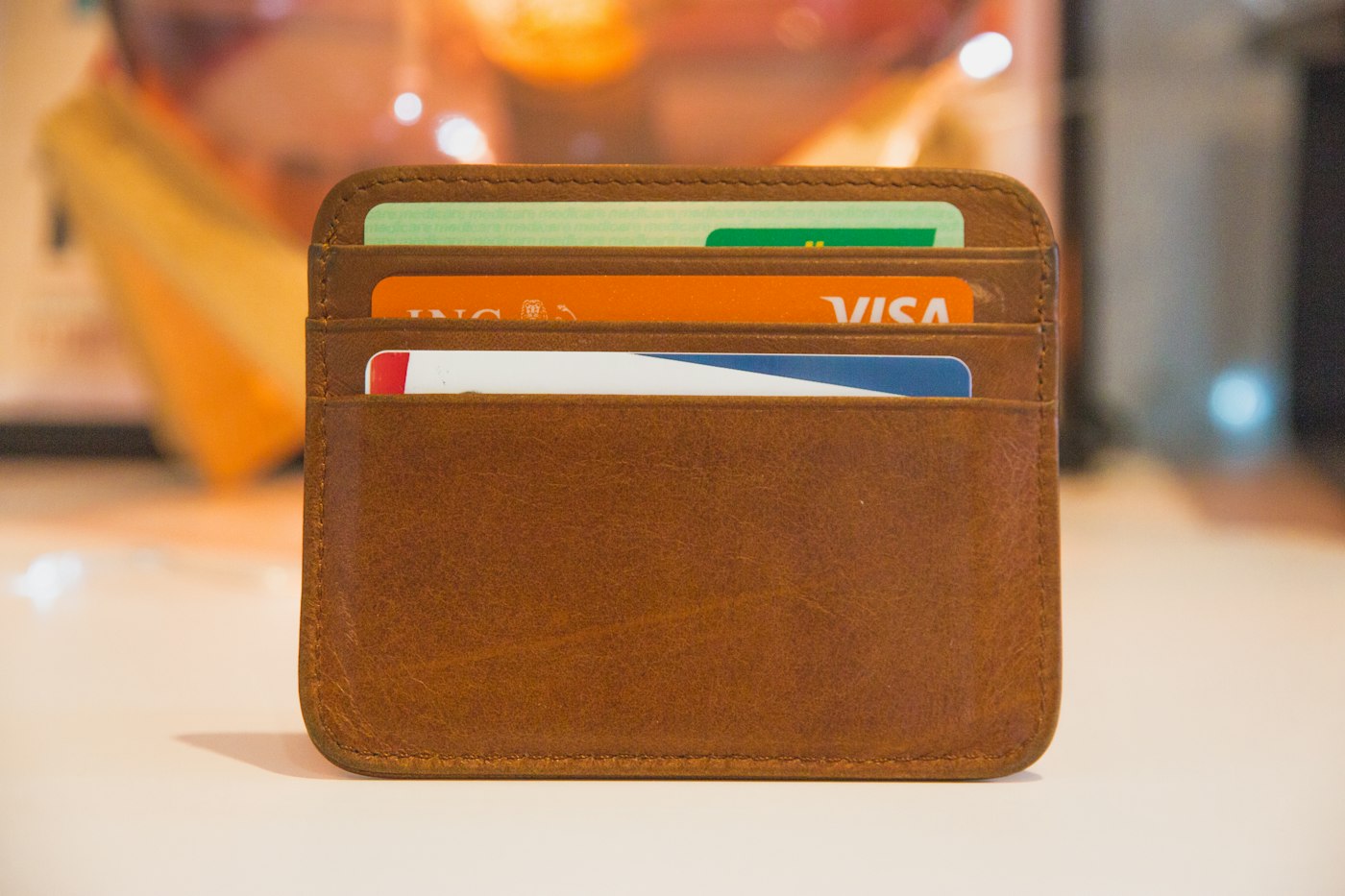
Here's the simplest way to think about it. Suppose your business is a wallet. As a sole trader, that wallet is yours personally — everything in it belongs to you, but so do all the bills. As a company, that wallet belongs to a separate entity. The company owns it, not you personally.
IRD uses the same logic when it comes to NZ business structure tax. As a sole trader you and your business are the same thing legally. You pay tax on your business profits at your personal income tax rate — which can go up to 39%. As a company, the company pays tax on its profits at a flat 28% company tax rate, regardless of how much it makes.
That difference — between personal rates up to 39% and the company rate of 28% — is where the tax savings come from. But it's not as simple as "company always wins." There are costs, risks and complications that make sole trader the right choice for many people, especially when starting out.
Sole Trader vs Company — Full Comparison
Here's a side by side breakdown of the key differences for NZ business structure decisions:
| Factor | Sole Trader | Company (Ltd) |
|---|---|---|
| Cost to set up | Free | ~$150 via Companies Office |
| Tax rate | Personal rate — up to 39% | Flat 28% company rate |
| Personal liability | Yes — your personal assets at risk | Usually protected |
| Tax return type | IR3 (personal) | IR4 (company) + personal IR3 |
| Accounting complexity | Simple | More complex |
| Accounting cost | Lower | Slightly higher |
| Looks professional | Sometimes less so | Yes — "Ltd" adds credibility |
| Can have multiple owners | ✗ No | ✓ Yes — via shares |
| Hiring staff | Possible but more personal risk | Easier and safer |
| Keeps money in business | ✗ Not efficiently | ✓ Yes — at 28% rate |
| Best for | Starting out, low income, low risk | Growing business, high profit, assets to protect |
The Tax Rate Difference — What It Actually Means in Dollars

This is the big one. Here's how the NZ personal tax rates work for sole traders versus the flat 28% company rate:
| Taxable Income | Sole Trader Personal Rate | Company Rate |
|---|---|---|
| Up to $14,000 | 10.5% | 28% flat on all profits |
| $14,001 – $48,000 | 17.5% | |
| $48,001 – $70,000 | 30% | |
| $70,001 – $180,000 | 33% | |
| Over $180,000 | 39% |
So if your business makes $80,000 profit — as a sole trader you'd be paying 33% on the top portion of that. As a company it's a flat 28% on everything. That difference adds up fast.
The Biggest Difference Nobody Talks About — Personal Liability
Tax is important, but there's something even more important that most people completely ignore when picking a structure. It's called personal liability.
As a sole trader, if your business gets into debt or gets sued — that's your personal debt. Your savings, your car, your house — all of it could be at risk. As a company, the company owns the debt. Not you personally. So if things go badly wrong, you're generally protected.
✅ Company — What You're Protected From
- Business debts if the company can't pay
- Client lawsuits and claims against the business
- Supplier disputes and contract issues
- Employee claims in most circumstances
- Business failure — personal assets usually safe
❌ Sole Trader — Personal Risks You Carry
- All business debts come back to you personally
- Client lawsuits target your personal assets
- Your house and savings could be at risk
- No separation between you and your business legally
- One bad contract could cost you everything
When Should You Switch from Sole Trader to Company?
This is the question we get asked the most. And there's no one-size-fits-all answer, but here are the clear signs it's probably time to make the move:
Profit Over $70,000
Once your profit consistently passes $70,000–$80,000 a year, the 28% company rate starts saving you real money compared to the 33% personal rate. The savings only grow as income grows.
You Have Assets to Protect
If you've got a house, savings or other personal assets — and your business is getting bigger — the liability protection of a company becomes worth a lot more than just tax savings alone.
Bringing in a Partner
You can't have multiple owners as a sole trader. A company makes it easy to bring someone else in by simply issuing them shares. Much cleaner legally and for future investors.
Clients Want a Company
Some bigger clients and government contracts will only deal with registered companies. Having "Ltd" in your business name opens doors that stay closed to sole traders.
You Want to Keep Money in the Business
As a company you can keep profits inside and only take out what you need personally. The rest stays in the company taxed at 28% — one of the most powerful tax planning tools available to NZ business owners.
Hiring More Staff
Having a company structure when you're employing multiple people is cleaner legally and provides better protection if an employment dispute ever arises.
Real NZ Examples — Sole Trader or Company?
Here's how the sole trader vs company NZ tax decision plays out in real business situations. These are based on the kinds of conversations we have with clients every week:
🏢 Real Scenario Examples — Which Structure?
Scenario 1 — Raj's Plumbing Business
Raj is a plumber who just started out on his own. He expects to earn around $55,000 in his first year. He works by himself with no staff and doesn't have a house yet.
✓ Sole Trader — income is low, no assets to protect, keep it simpleScenario 2 — Sarah's Marketing Consultancy
Sarah has been a sole trader marketing consultant for 3 years. Her profit has grown to $95,000. She owns her home and has savings. She's worried about a client suing her over a campaign that didn't work.
✓ Company — profit above $70k, assets to protect, liability risk is realScenario 3 — Mike's Cafe
Mike wants to open a cafe and bring in his partner as 50% owner. They plan to hire 3 staff from day one.
✓ Company — multiple owners, employing staff, liability protection needed from the startScenario 4 — Priya's Online Shop
Priya sells handmade jewellery online through Shopify. She makes about $28,000 a year. She does it alongside her full-time job.
✓ Sole Trader — low income, low risk, company structure would cost more than it savesScenario 5 — James's IT Business
James has a growing IT services business with $120,000 in profit. He has 2 contractors working for him and is expanding. He wants to keep $40,000 in the business to buy equipment next year.
✓ Company — high profit, keeping money in business, managing contractors, growing fastScenario 6 — Lisa Just Starting Out
Lisa is about to start a bookkeeping business. She doesn't know yet how much she'll make. She's heard she should set up a company to look more professional.
⚠️ Sole Trader First — start simple, switch to company once income justifies itWhat About GST? Does Your Structure Change Anything?
GST registration works the same whether you're a sole trader or company. Once your turnover hits $60,000 in any 12-month period, you must register for GST with IRD regardless of your structure. You can also register voluntarily before that threshold if it suits you.
Both sole traders and companies file GST returns — either monthly, two-monthly or six-monthly — and pay or claim back the difference. The structure doesn't change your GST obligations at all.
For a complete walkthrough of how GST and other accounting works for NZ small businesses, see our NZ small business accounting step-by-step guide. And for understanding your financial statements as a business owner, check our NZ small business financial statements guide.
What Does It Actually Cost to Run a Company vs Sole Trader?
The extra admin of running a company comes with slightly higher costs. Here's what to expect:
| Cost | Sole Trader | Company |
|---|---|---|
| Registration cost | $0 | ~$150 once via Companies Office |
| Annual return (Companies Office) | N/A | ~$46 per year |
| Annual accounting fees | Lower — simpler IR3 | Slightly higher — IR4 + personal return + dividends |
| Complexity of tax planning | Simple | More moving parts — salary vs dividends split |
| Bookkeeping requirements | Basic | More detailed — company accounts, shareholder loans |
The extra cost is usually well worth it once you're saving more in tax than you're spending on the extra accounting. A good accountant will tell you exactly when that crossover point is for your specific numbers.
Can You Switch from Sole Trader to Company Later?

Yes, and it happens all the time. Most people start as sole traders and switch to a company when the time is right. The process isn't complicated but there are a few tax things to be aware of.
Here's roughly what happens when you make the switch:
- You register a new company through the Companies Office
- You transfer your business activities across to the company
- You notify IRD of the change and update your tax registrations
- Your accountant handles the final sole trader return and sets up the company accounts
- You decide your salary and dividend structure going forward
The timing matters — switching mid-year can complicate things. And if you have assets like a vehicle or equipment used in the business, there are specific rules about how to transfer them. Always get advice from your accountant before making the move, not after.
Common Mistakes People Make When Choosing a Structure
After helping hundreds of NZ businesses set up and restructure, here are the mistakes we see most often:
Staying Sole Trader Too Long
Lots of business owners stick with sole trader even when profit has grown well past $70,000. They're paying 33% when they could be paying 28%. Over a few years that's thousands of dollars lost.
Setting Up a Company Too Early
Some people set up a company on day one because it sounds more professional. But if you're making $25,000 a year, the extra cost and complexity isn't worth it yet.
Mixing Personal and Business Money
Whether sole trader or company — always have a separate bank account for your business. Mixing money makes everything harder and more expensive at tax time.
Taking Everything Out of the Company
Setting up a company then paying yourself all the profit as salary defeats the purpose. The tax savings come from leaving money in the company at 28%. Salary you take out gets taxed at your personal rate.
Switching Without Getting Advice
Switching from sole trader to company has real tax implications. Do it wrong and you could end up with an unexpected bill. Always talk to an accountant before you make the change.
Not Understanding Shareholder Loans
When you take money out of a company, it needs to be properly recorded as either salary, dividends or a shareholder loan. Getting this wrong creates tax problems that are expensive to fix later.
📋 Key Takeaways
- Sole traders pay tax at their personal rate — up to 39%. Companies pay a flat 28% on all profits
- For most people just starting out with low income, sole trader is the right and cheaper choice
- Once profit consistently passes $70,000–$80,000 a year, a company usually starts saving you money
- The tax savings only work if you leave money in the company — taking it all as salary means paying personal rates anyway
- A company protects your personal assets — house, savings — from business debts and lawsuits
- You can switch from sole trader to company at any time — most people do it when income justifies it
- Both sole traders and companies register for GST the same way once turnover exceeds $60,000
- Always get advice from an accountant before switching structures — the timing and how you do it matters for tax
Frequently Asked Questions
Not Sure Which Structure is Right for You?
At Elite Taxation, we help NZ business owners choose the right structure and switch at exactly the right time — so you never pay more tax than you need to. We work with sole traders and companies across Auckland, Wellington, Christchurch, Tauranga and all of New Zealand. Book a free 15-minute chat and we'll tell you exactly which structure makes sense for where you are right now.
Talk to a Small Business Accountant Auckland →